How to select the best Metal Castings provider for your requirements
Wiki Article
The Relevance of Aluminum Foundry ahead of time Industrial Manufacturing Techniques
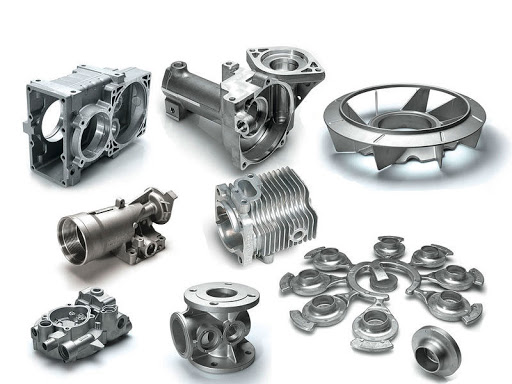
The Aluminum Foundry plays a critical role in the advancement of commercial production strategies. Its lightweight residential properties and flexibility make Aluminum a suitable choice for different applications. Advanced casting methods, including die casting and 3D printing, enable detailed layouts and automation. As the industry changes in the direction of automation and sustainability, inquiries arise concerning the future trajectory of Aluminum foundries and their effect on making performance. What challenges and innovations exist in advance?The Function of Aluminum in Modern Manufacturing
Aluminum plays a crucial role in modern production due to its special residential or commercial properties and flexibility. As a light-weight steel, it significantly reduces the overall weight of items, enhancing gas effectiveness in transport and aerospace industries. Its excellent rust resistance assurances durability and reliability, making it optimal for numerous applications, from auto parts to building products. Light weight aluminum's malleability permits it to be quickly formed into complicated layouts, facilitating cutting-edge product growth. Moreover, its conductivity makes it ideal for electric applications, adding to advancements in electronic devices and renewable resource modern technologies. The adaptability of Aluminum additionally includes its recyclability, which contributes to sustainable production methods. As markets remain to focus on performance and ecological obligation, Aluminum continues to be a vital material, cultivating innovation and boosting production processes across multiple industries. Its duty is not just practical; it is foundational to the advancement of modern commercial techniques.Secret Advantages of Aluminum Casting
The benefits of Aluminum casting are significant, adding to its popularity in numerous commercial applications. One vital advantage is the lightweight nature of light weight aluminum, which lowers transportation prices and enhances gas efficiency in aerospace and automobile industries. Furthermore, light weight aluminum's superb deterioration resistance expands the life-span of actors parts, making them perfect for marine and exterior atmospheres.Additionally, Aluminum spreading enables elaborate designs and complex geometries, providing manufacturers with higher flexibility in item growth - Wisconsin Aluminum Foundry. The material additionally displays good thermal and electrical conductivity, making it appropriate for a variety of digital applications
An additional advantage is the quick solidification procedure, which results in finer microstructures and improved mechanical residential or commercial properties. In addition, Aluminum can be reused consistently without shedding its integral top qualities, advertising sustainability in producing practices. These advantages underscore Aluminum spreading's pivotal duty beforehand industrial manufacturing strategies while meeting diverse engineering demands.
Ingenious Casting Methods and Technologies
Various cutting-edge casting strategies and modern technologies have arised to improve the effectiveness and quality of Aluminum manufacturing. Amongst these, pass away casting sticks out as an approach that enables high-volume manufacturing of complicated shapes with superb dimensional precision. This technique uses high pressure to infuse liquified Aluminum right into a mold and mildew, leading to smooth surfaces and reduced demand for machining.Another notable advancement is making use of 3D printing for mold and mildews, which allows quick prototyping and reduces preparations significantly. This innovation enables for intricate layouts that typical techniques might have a hard time to accomplish.
Additionally, financial investment casting proceeds to evolve, making use of advanced products and processes to produce accuracy elements. The fostering of computer simulations in the spreading procedure has better improved results by predicting prospective issues and enhancing mold styles. With each other, these developments are changing Aluminum shops, paving the method for extra efficient manufacturing and premium product high quality in numerous sectors.
Environmental Effect and Sustainability in Aluminum Foundries
As sectors significantly prioritize sustainability, the environmental effect of Aluminum shops has actually come under scrutiny. These facilities are significant factors to greenhouse gas exhausts and power consumption, mainly because of the energy-intensive procedures associated with melting and spreading light weight aluminum. The extraction of bauxite, the primary ore, additional aggravates environmental concerns, leading to habitat destruction and air pollution.In reaction to these challenges, several Aluminum foundries are taking on much more sustainable methods (Aluminum Foundry). Technologies such as recycling scrap Aluminum substantially decrease power usage and emissions, as recycling needs only a portion of the power needed for key production. In addition, the combination of eco-friendly power resources, such as solar and wind power, is obtaining grip in factories intending to lower their carbon footprint
Moreover, advancements in technologies that reduce waste and improve source effectiveness are becoming vital for the future of the Aluminum industry. These initiatives underscore the shift towards a much more ecologically responsible and sustainable technique in Aluminum factories.
Applications of Aluminum Spreading Throughout Industries
Aluminum spreading discovers widespread application throughout varied sectors, owing to its positive homes such as lightweight, deterioration resistance, and exceptional machinability. In the vehicle sector, makers utilize Aluminum castings for engine components, transmission housings, and architectural components, improving fuel performance and efficiency. The aerospace sector gain from aluminum's strength-to-weight ratio, utilizing it in airplane structures and components, which add to reduced overall weight and enhanced fuel economic situation.The consumer electronics industry employs Aluminum castings for real estates and framework, integrating aesthetic allure with longevity. In building, Aluminum castings are used for window frameworks, doors, and building components, providing both performance and style versatility. In addition, the marine sector utilizes Aluminum casting for boat hulls and fittings, ensuring resistance to deep sea deterioration. This versatility across various fields highlights Aluminum casting's crucial function in contemporary commercial applications, driving technology and performance.
Challenges Faced by Aluminum Foundries
Aluminum foundries experience significant difficulties in conference rigid ecological guidelines while preserving functional effectiveness. Furthermore, a lack of knowledgeable labor exacerbates these difficulties, preventing performance and technology. Resolving these concerns is necessary for the sustainability and development of the Aluminum spreading market.Ecological Regulations Conformity
Although Aluminum foundries play an essential duty in commercial production, they usually encounter considerable obstacles in conforming with environmental laws. These laws are developed to minimize air and water contamination, waste generation, and energy intake. Foundries normally should buy innovative innovations to satisfy rigid emission requirements and take care of dangerous materials properly. The costs linked with these upgrades can stress funds, particularly for smaller procedures. In addition, the complexity of passing through regulatory structures can bring about compliance errors, causing pricey penalties. Continual adjustments in regulations call for factories to adapt swiftly, frequently demanding ongoing training and updates in operational methods. Stabilizing governing conformity with manufacturing performance remains a vital worry for the Aluminum Foundry market.Experienced Labor Lack
As the Aluminum Foundry market remains to progress, a pushing difficulty has actually arised: a knowledgeable labor lack that intimidates the field's performance and development. This lack is mainly fueled by an aging workforce and the lack of interest among younger generations in pursuing jobs in production. Lots of proficient tasks need specialized training and experience, which are increasingly hard to locate. Subsequently, Aluminum factories have a hard time to maintain functional performance, resulting in delays and increased manufacturing expenses. Efforts to attract brand-new skill through instruction programs and partnerships with schools are underway, yet these efforts take time to produce results. Without a durable influx of skilled employees, the Aluminum Foundry industry might face substantial difficulties in fulfilling the demands of modern-day industrial manufacturing.Future Patterns in Aluminum Foundry Manufacturing Techniques
The future of Aluminum Foundry production strategies is poised to be substantially shaped by innovations in automation and sustainable product technologies. Automation is expected to improve efficiency and precision in Foundry procedures, decreasing labor prices and minimizing human mistake (Aluminum Castings). A growing emphasis on sustainability will certainly drive the growth of environmentally friendly products and techniques, aligning the industry with worldwide ecological objectives.Automation in Foundry Processes
Lasting Material Innovations
While the Aluminum Foundry sector accepts automation, a parallel emphasis on sustainable material technologies is reshaping manufacturing methods for the future. Developments in recycling procedures are enabling shops to utilize post-consumer light weight aluminum, considerably lowering energy consumption and waste. In addition, the growth here of environment-friendly ingredients and layers is minimizing the ecological effect associated with typical products. Developments in light-weight Aluminum alloys are enhancing performance while advertising sustainability, making products not only a lot more efficient but also simpler to reuse at the end of their life process. As the industry adapts to more stringent ecological regulations, these sustainable methods are coming to be important. Eventually, the dedication to lasting material developments in Aluminum factories will certainly drive enhanced productivity while dealing with international ecological obstacles.Frequently Asked Questions
Exactly How Does Aluminum Contrast to Various Other Steels in Casting?
Aluminum supplies benefits over various other metals in casting, including lower melting points, outstanding fluidity, and resistance to rust. These properties enable elaborate styles and faster production, making Aluminum a favored option for numerous markets.What Precaution Are in Area in Aluminum Foundries?
Precaution in Aluminum shops consist of safety equipment for workers, appropriate air flow systems, routine devices maintenance, fire prevention protocols, and rigorous adherence to safety and security laws, making sure a safe and secure setting while lessening the danger of mishaps and injuries.How Are Aluminum Alloys Selected for Details Applications?
Aluminum alloys are picked based upon mechanical buildings, rust resistance, and thermal conductivity. Engineers evaluate application needs, taking into consideration aspects like weight, strength, and ecological problems, guaranteeing ideal efficiency for certain industrial or business uses.What Is the Average Life-span of Aluminum Cast Products?
The typical lifespan of Aluminum actors products commonly ranges from 20 to 50 years, depending upon environmental variables, usage problems, and maintenance practices. Appropriate care can considerably extend their useful longevity and performance effectiveness.
Exist Certifications for Aluminum Foundry Processes?
Yes, there are accreditations for Aluminum Foundry procedures, including ISO 9001 for high quality management systems and particular sector standards like ASTM and SAE, which ensure adherence to top quality and safety in Aluminum manufacturing and spreading.Aluminum foundries play a vital duty in industrial production, they commonly encounter significant difficulties in conforming with ecological regulations. Aluminum factories have a hard time to keep functional efficiency, leading to delays and boosted manufacturing prices. The future of Aluminum Foundry production techniques is poised to be significantly shaped by improvements in automation and lasting product technologies. Increasingly, automation is shaping the landscape of Aluminum Foundry production strategies, driving effectiveness and precision. While the Aluminum Foundry market accepts automation, an identical emphasis on lasting product innovations is reshaping manufacturing strategies for the future.
Report this wiki page